A New Field for Brain Training Through Poetry
Neuropoetics: Train Your Brain Through Rhythm, Rhyme, and Meaning
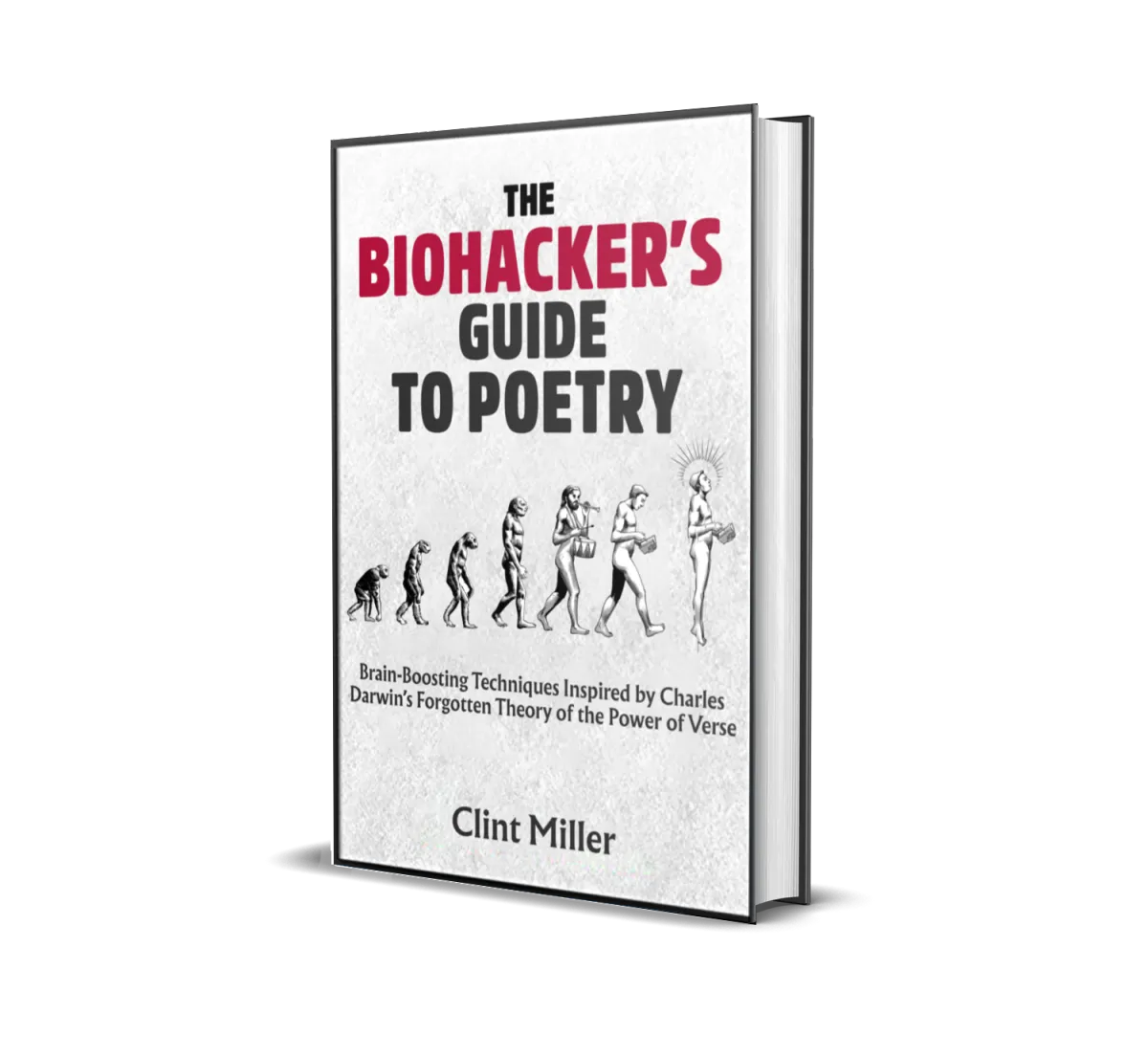
Free intro chapters and starter guidance.
No poetry experience required.
Neuropoetics is a structured practice that uses poetry to strengthen attention, emotional depth, creative insight, and mental clarity. Start with a free introduction and see how a few minutes of rhythmic language can change the way your mind works.
What Is Neuropoetics?
Neuropoetics is the practice of using poetry as a tool for cognitive and emotional training.
It combines rhythm, rhyme, language, and reflection in a way that engages multiple dimensions of the mind at once. Instead of treating poetry as decoration, neuropoetics treats it as mental exercise.
The core idea is simple:
Poetry does more than communicate information. It changes the way information is felt, processed, remembered, and internalized.
That is why neuropoetics belongs not only to literature, but also to the wider conversation about learning, creativity, self-regulation, and brain optimization.
It's not just art, it's exercise for your mind
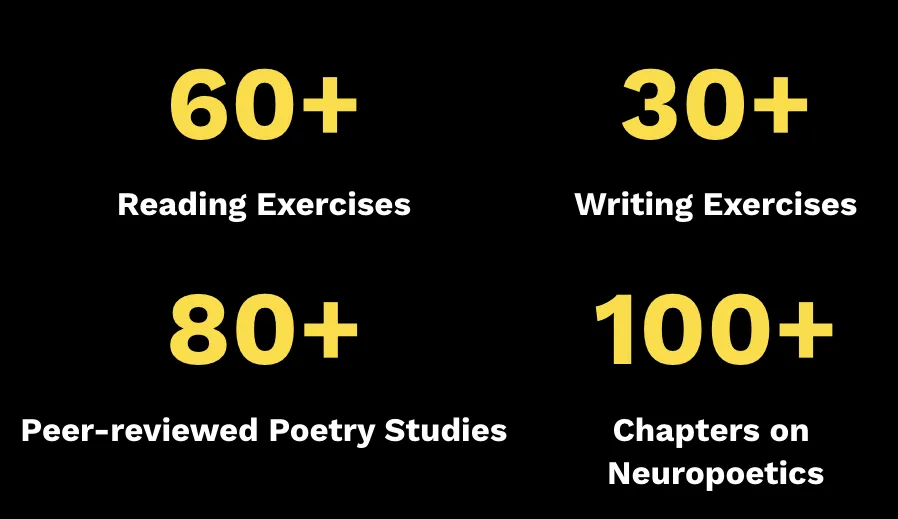
The book collects Clint Miller's research (lab studies, proprietary EEG and BCI techniques, and insights from travels to 5 continents) and synthesizes this material with hundreds of other peer-reviewed studies worldwide to provide practical, science-backed techniques to turbocharge your brain with poetry.
Build your Brain
By practicing neuropoetics, you can exercise both hemispheres of the brain simultaneously while training them to work collaboratively for boosted creativity, productivity, emotional wellbeing, and increased feelings of connection/belonging.
Expand your Consciousness
Ancient sages and modern researchers have identified poetry as a way to unlock higher states of awareness, communicate directly with the "higher self," and tap into a universal source of knowledge and inspiration.
About
Hi, I’m Clint.
I created neuropoetics to explore a simple idea: That poetry can be used as a practical tool for training the mind.
For most of my life, I was working at the intersection of music, language, and learning – first as a musician and writer, then as an educator working with high-performing students. Over time, I kept seeing the same pattern.
People could think clearly, perform well, and succeed academically – yet still feel mentally narrow, emotionally flat, or creatively blocked. That led me to a deeper question.
What kind of practice strengthens both the analytical and the experiential sides of the mind at the same time? Poetry kept emerging as a unique answer.
Not as something to study passively, but as something to use – through rhythmically structured language – to change how the mind processes experience.
Neuropoetics grew out of that investigation.
The Biohacker’s Guide to Poetry is my attempt to make that idea practical: to show how poetry can function as a repeatable method for improving attention, memory, emotional depth, and creative insight.
If you’re curious about what that looks like in practice, the best place to start is with the free material below.
It’s a simple introduction to the field and an easy way to experience the effects for yourself.
Clint Miller
The Poetic Brain
Unlock mental superpowers.
Expand your mind through rhythm and rhyme.

Free Chapters Available
Get started on your brain-biohacking journey by downloading the free excerpt.

What's Inside
An introduction to Neuropoetics
Science-backed techniques to biohack your brain

Get free chapters now!
INTERNATIONAL REVIEWS
"My interest in writing and reading poems has been reawakened, this time for the purpose of living a better life."
-Richard O., Nigeria
"Every once in a while, I come across an intense and insightful book like [The Biohacker’s Guide to Poetry] — one that adds more to my life than I could ever add to it. I deeply appreciate this experience."
-Swati, India
"I'd never really considered anything like this before and I hadn't heard of Darwin's struggles later in life with his creative/art side, so I found the whole book to be quite an engaging education!"
-Oskar L., UK
"It's a huge task, writing a book that bridges science and art together like this does. [...] It's really satisfying. It was a great experience."
-Aleeza A., Pakistan
"La rima perfecta le hizo sentir cosquillas a mi cerebro (the perfect rhyme made my brain feel tickles). Telling a story through poems is an incredible odyssey."
-Valerie B., Colombia
$$Course Materials
No experience with poetry required
No experience with neuroscience required
The only prerequisite is a desire to improve your mind
Our Mission

Founded by Clint Miller
Exercising both hemispheres for boosted brainpower.
Unlocking dormant brain regions for higher consciousness.
Preventing cognitive and emotional decline at any age.
Decreasing depression, anxiety, and stress to optimize wellbeing.
Turbocharging reward centers for boosted emotional response and life satisfaction.
Stay tuned for bonus resources based on the book!